
Last reviewed
Cannabis and mental health: anxiety, sleep and dependence
What weed can do for and against anxiety, sleep and mood, the risks of high-THC products, and signs of cannabis use disorder.

Earl Johns, MSN, PMHNP-BC
Board-certified psychiatric nurse practitioner and founder of Wellthy Psychiatry & Wellness
✓ Medically reviewed by Earl Johns, MSN, PMHNP-BC
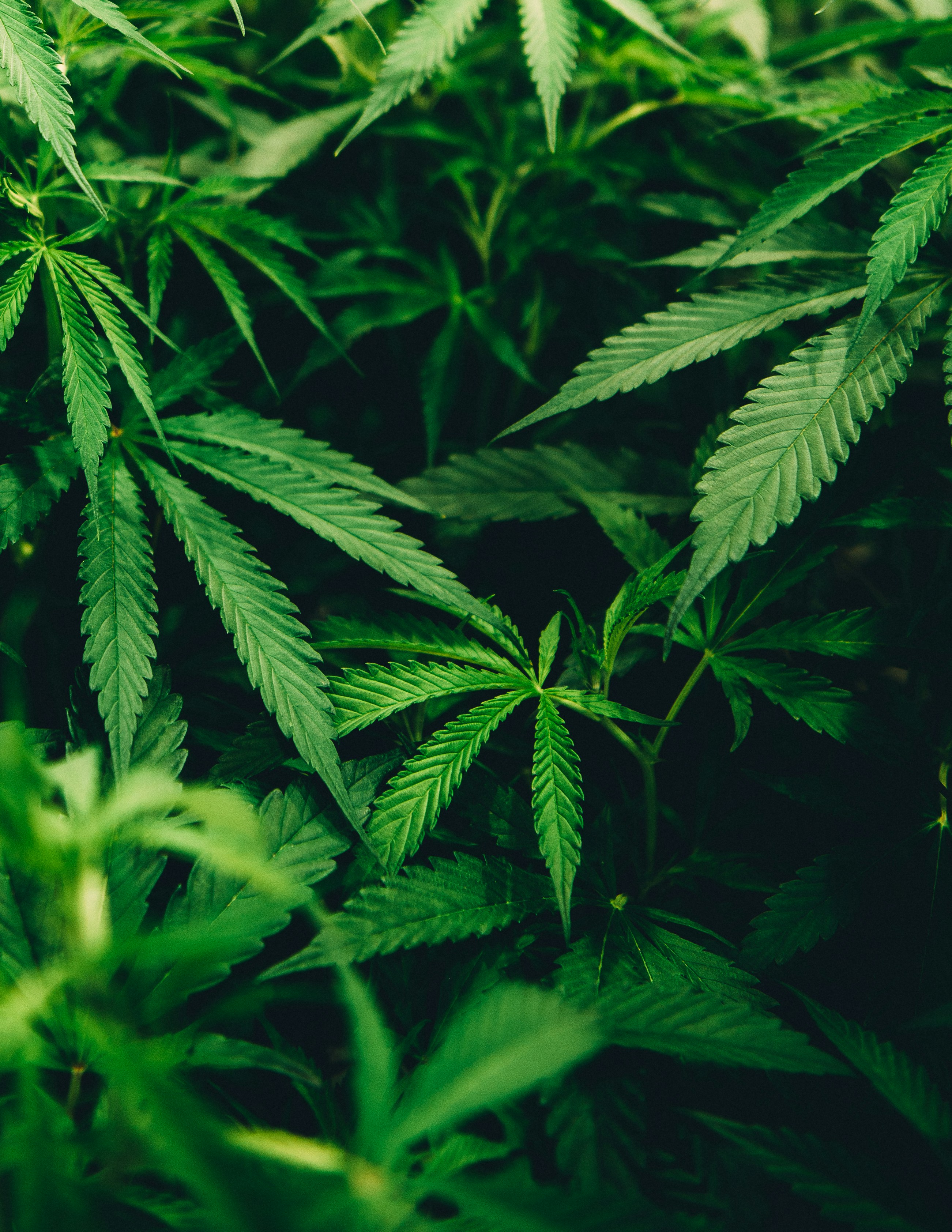
Photos are illustrative and don’t show actual patients.
Cannabis is legal for adults 21 and over in California, and many people use it to unwind or sleep. Legal doesn’t mean risk-free, especially with today’s high-potency products.
Anxiety: help or harm?
Low doses may feel calming for some people, but higher THC doses commonly trigger anxiety, a racing heart and panic. CBD doesn’t cause a high, though the evidence for it in anxiety is still limited.
Sleep
Cannabis can help some people fall asleep at first, but tolerance builds. Sleep often gets worse for a few weeks after stopping, with vivid dreams and insomnia.
Psychosis and mood
Frequent use of high-THC cannabis, especially starting in the teens, is linked to a higher risk of psychosis. People with a personal or family history of psychosis or bipolar disorder are most at risk.
Cannabis use disorder and withdrawal
Signs include using more than you intended, failed attempts to cut back and needing it to function. Withdrawal can bring irritability, low appetite, poor sleep and restlessness, which usually ease within a couple of weeks.
Cannabinoid hyperemesis syndrome
Some long-term heavy users develop repeated bouts of severe vomiting and stomach pain, often relieved by hot showers. The only lasting fix is stopping cannabis.
Edibles and safety
Edibles can take 30 minutes to 2 hours to kick in, so start low and wait before taking more. Don’t drive high, and be careful combining cannabis with alcohol or sedating medications.
A gentle next step
Wellthy Psychiatry offers judgment-free, LGBTQ+ affirming care by telehealth across California. A free 15-minute phone consult is an easy way to see if we’re a good fit.
This article is for general education and isn’t medical advice. If you’re in crisis, call or text 988, the Suicide & Crisis Lifeline, or call 911.
About the author
Earl Johns, MSN, PMHNP-BC
Board-certified psychiatric nurse practitioner · UCSF-trained · Founder of Wellthy Psychiatry & Wellness
Earl provides LGBTQ+ and neurodivergent-affirming psychiatric care, blending medication management, therapy and whole-person approaches. His background includes inpatient psychiatry and community mental health at Glenn County Behavioral Health and Equity Health, a federally qualified health center. He sees clients in San Francisco and by telehealth across California.
Keep reading
Related posts

Recreational ketamine: bladder damage, dependence and mental health
How party ketamine (K) differs from medical ketamine treatment, the bladder and dependence risks of regular use, and getting help.
Poppers: what they are, the real risks and how to stay safe
What poppers (alkyl nitrites) do, the dangerous mix with Viagra and Cialis, vision damage, and what to do if someone swallows them.

Substance use, party culture and mental health: a judgment-free guide for gay men
Nightlife and community can include alcohol and substances. Here’s how to tell when use is affecting your mental health, with no shame.

Molly, ecstasy and MDMA: risks, the comedown and mental health
How MDMA affects the brain and body, overheating and water risks, dangerous mixes with antidepressants, contaminated pills and the midweek crash.