
Last reviewed
Drinking and gay nightlife: when the party stops being fun
Why so much LGBTQ+ social life centers on alcohol, signs drinking is starting to cost you, and ways to stay connected with less of it.

Earl Johns, MSN, PMHNP-BC
Board-certified psychiatric nurse practitioner and founder of Wellthy Psychiatry & Wellness
✓ Medically reviewed by Earl Johns, MSN, PMHNP-BC
Photos are illustrative and don’t show actual patients.
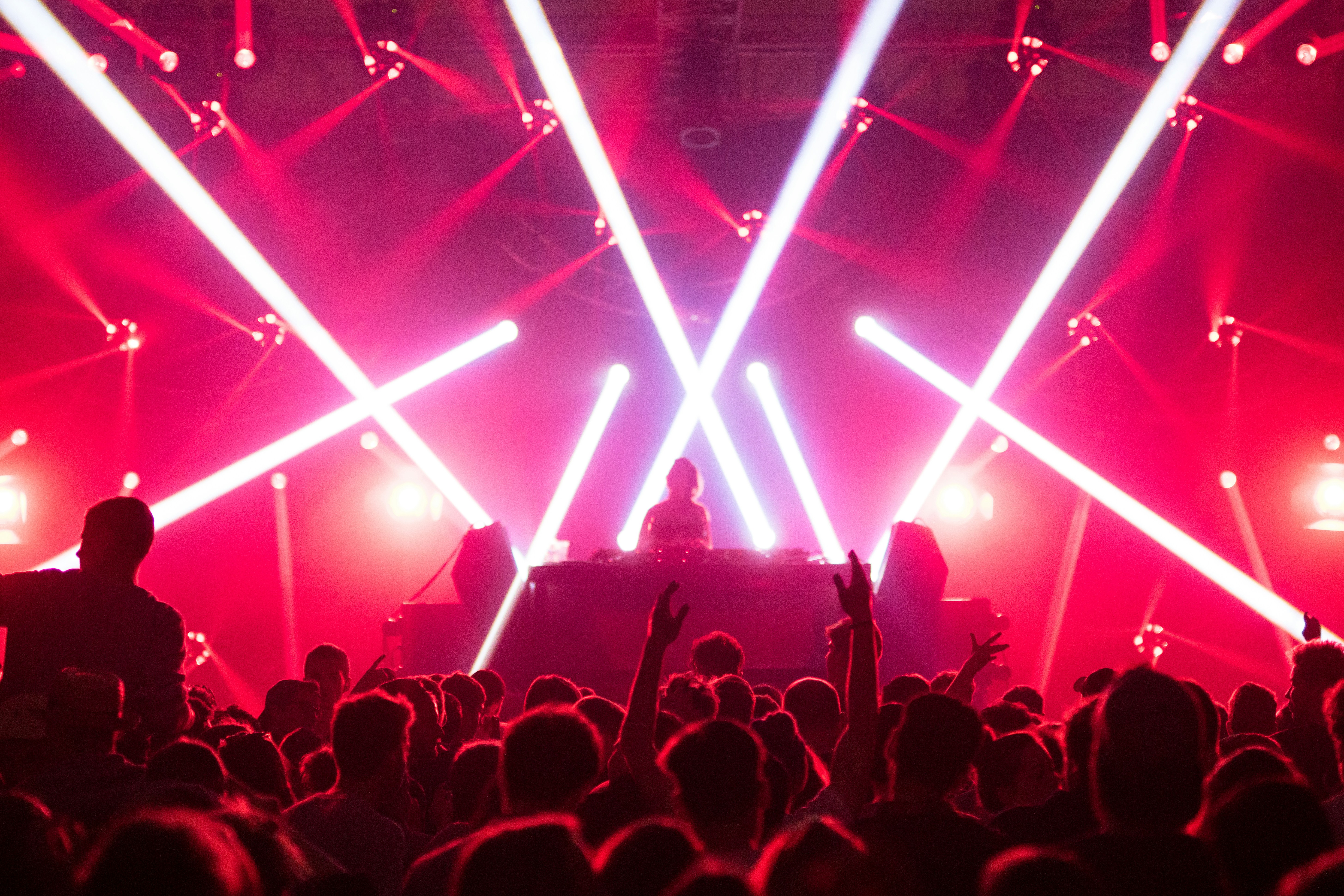
For many LGBTQ+ people, bars and clubs were the first places that felt safe to be ourselves. That history is worth celebrating, and it also means a lot of queer social life is built around drinking.
Why drinking runs higher in our community
Research consistently finds higher rates of heavy drinking among gay, lesbian and bisexual adults than among straight adults. Minority stress, past rejection and using alcohol to ease social anxiety all play a part.
Signs it’s starting to cost you
You need a few drinks before you can relax or flirt. Weekends regularly turn into blackouts or lost Sundays. You feel anxious or low for days after a night out, or you’re mixing alcohol with other substances more often.
Safer nights out
Eat first, alternate drinks with water, set a limit before you go, and plan your ride home. Avoid mixing alcohol with GHB, benzodiazepines or opioids, since the combination can slow breathing to dangerous levels.
Connection without the hangover
Try daytime meetups, sports leagues, hiking groups, queer book clubs or sober dance parties. Many friends will welcome the change more than you expect.
A gentle next step
Wellthy Psychiatry offers judgment-free, LGBTQ+ affirming care by telehealth across California. A free 15-minute phone consult is an easy way to see if we’re a good fit.
This article is for general education and isn’t medical advice. If you’re in crisis, call or text 988, the Suicide & Crisis Lifeline, or call 911.
About the author
Earl Johns, MSN, PMHNP-BC
Board-certified psychiatric nurse practitioner · UCSF-trained · Founder of Wellthy Psychiatry & Wellness
Earl provides LGBTQ+ and neurodivergent-affirming psychiatric care, blending medication management, therapy and whole-person approaches. His background includes inpatient psychiatry and community mental health at Glenn County Behavioral Health and Equity Health, a federally qualified health center. He sees clients in San Francisco and by telehealth across California.
Keep reading
Related posts

Recreational ketamine: bladder damage, dependence and mental health
How party ketamine (K) differs from medical ketamine treatment, the bladder and dependence risks of regular use, and getting help.
Poppers: what they are, the real risks and how to stay safe
What poppers (alkyl nitrites) do, the dangerous mix with Viagra and Cialis, vision damage, and what to do if someone swallows them.

Substance use, party culture and mental health: a judgment-free guide for gay men
Nightlife and community can include alcohol and substances. Here’s how to tell when use is affecting your mental health, with no shame.

Molly, ecstasy and MDMA: risks, the comedown and mental health
How MDMA affects the brain and body, overheating and water risks, dangerous mixes with antidepressants, contaminated pills and the midweek crash.